Meet Our EGAs: Jason Smith—Mid-Atlantic Adjuster, Appraiser & Umpire

Jason Smith, AIC, CIA, CIU, CPCU – Executive General Adjuster
August 19th 2026
 Davies’ Executive General Adjusters are elite among Large Loss & Specialty claims adjusters in the U.S., handling the most complex and costly claims nationally and internationally. In this series, learn more about who they are, what they do, industry trends they’re seeing, and the most interesting project each has worked on to date.
Jason Smith
Quick Background
Since 1996, Jason has specialized in residential and commercial property losses, including business interruption and catastrophe claims. He has handled numerous multimillion dollar losses, including a tornado loss exceeding $50 million. He is proficient in Xactimate and serves as an appraiser and umpire across the mid-Atlantic region.
Home: Columbia, Maryland
Region: Mid-Atlantic
States Covered: Connecticut, D.C., Delaware, Maryland, Massachusetts, New Jersey, New York, North Carolina, Pennsylvania, Rhode Island, South Carolina, Virginia and West Virginia
With his decades of large loss claims experience as an adjuster, appraiser and umpire, Jason outlines where most resolution delays occur and also where technology can help expedite the process.
Q&A
In your experience, where do claim resolution delays occur most often on large loss claims?
Delays can happen at several points in the process, but they often begin early on in the investigation of a claim, particularly when a scene needs to be held by cause-and-origin investigators for a joint inspection because there may be subrogation potential. Until those inspections are completed, the claim process can’t always move forward as quickly as everyone would like.
What tends to cause delays once the investigation is underway?
Scope and pricing discussions are a common factor, especially when public adjusters or attorneys are involved. On larger losses, there are often more parties at the table, and it can take time to reach agreement on the full scope of damage, repair approach, and associated costs.
Are there internal or administrative steps that can also slow resolution?
Yes. Large payments usually require multiple layers of review and approval. That oversight is important, but the number of people involved can add time—particularly on complex claims where documentation, estimates and supporting information need to be carefully reviewed before payment is issued.
What role do repair timelines and local requirements play?
They can be significant. Identifying all damages takes time, and local officials may determine that certain code requirements apply to the repair or rebuild. Once those factors are known, the actual time needed to complete repairs can also extend the overall resolution timeline.
Where can technology help reduce delays?
Tools like 360-degree cameras have changed the approach to on-site investigations. They can help expedite inspections by providing sketches with measurements and detailed photos. Having photos of the entire risk also minimizes the need for re-inspections because the loss can be reviewed from a desk after the initial site visit.
Get in touch with Jason to learn more about his service regions and capabilities, and learn more about our overall Specialty Risk Division solutions.
-
June 24th 2026
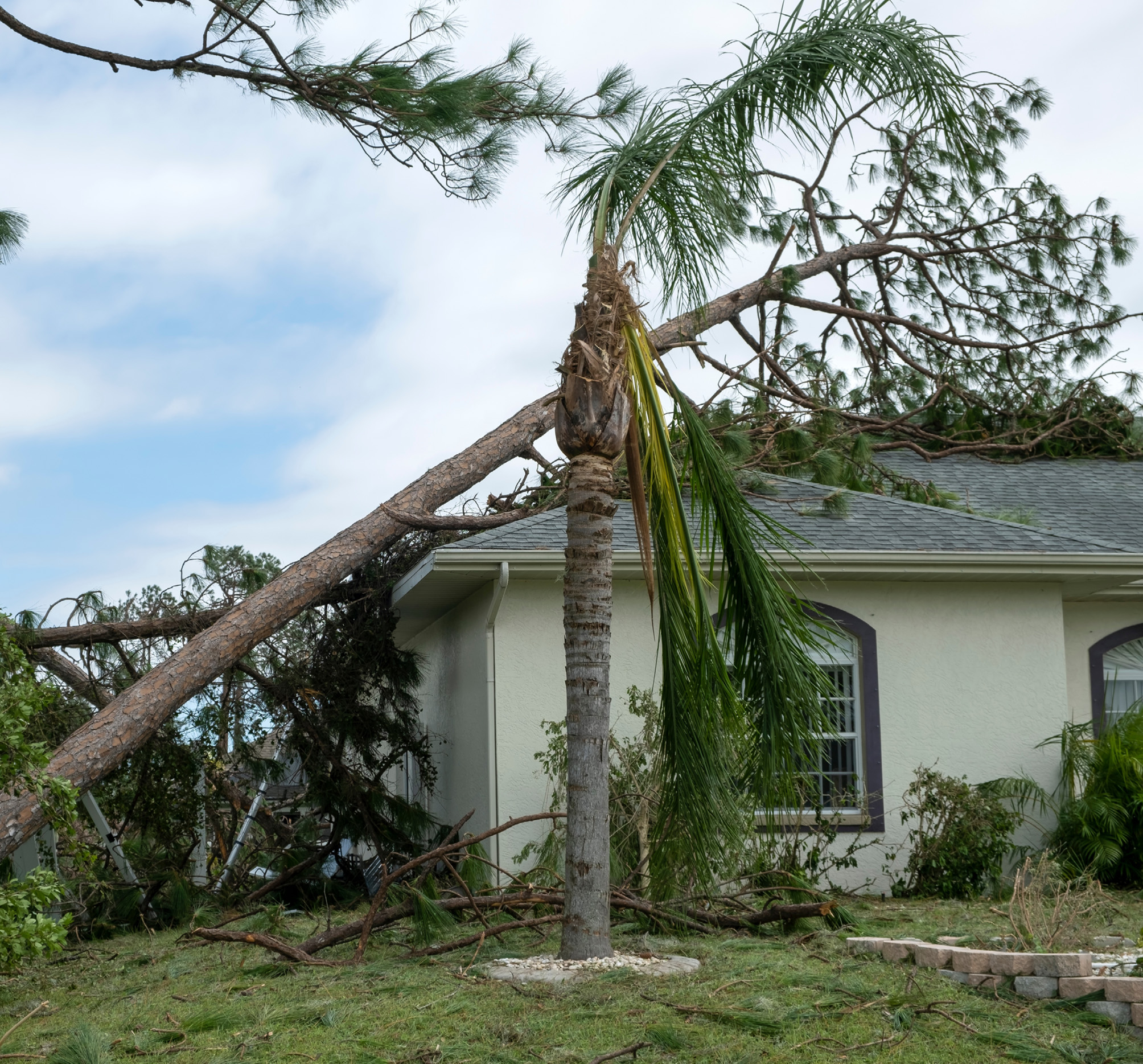
EGA Insights: Role of Adjusters in Navigating Hurricane & Tornado Deployments
Davies’ Specialty Risk Division Executive General Adjusters are elite among Large Loss claims…
-
June 4th 2026
Meet Our EGAs: J. Abraham Hanze—Coast-to-Coast Complex Claims & Specialty Risk Adjuster
Davies’ Executive General Adjusters are elite among Large Loss & Specialty claims adjusters in the…